
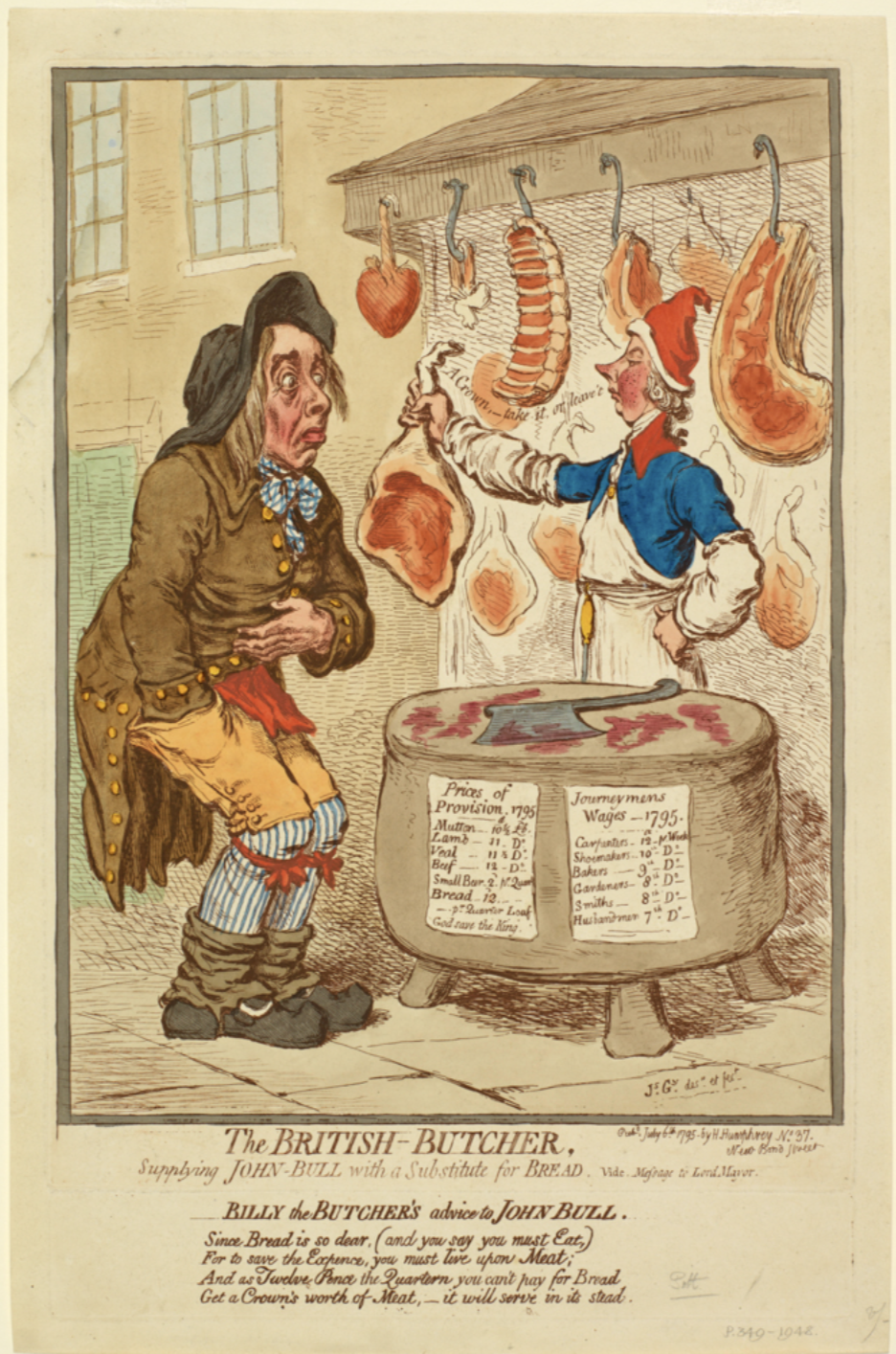
Food regulation in the nineteenth and early-twentieth centuries was influenced by respectability. In the urban environment, societal standards and attitudes determined how individuals acted and were perceived by others. For instance, ‘respectability’ affected how some members of society responded to food contamination and preservation. More specifically, the production, purchasing and consumption of meat products in Derby was considered one of the most prevalent sanitation issues at the time.
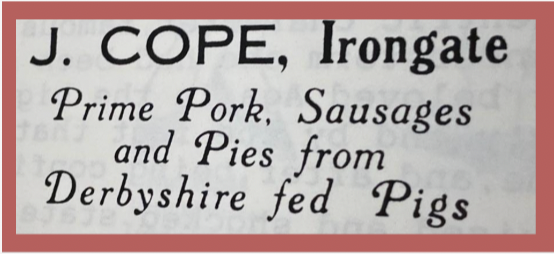
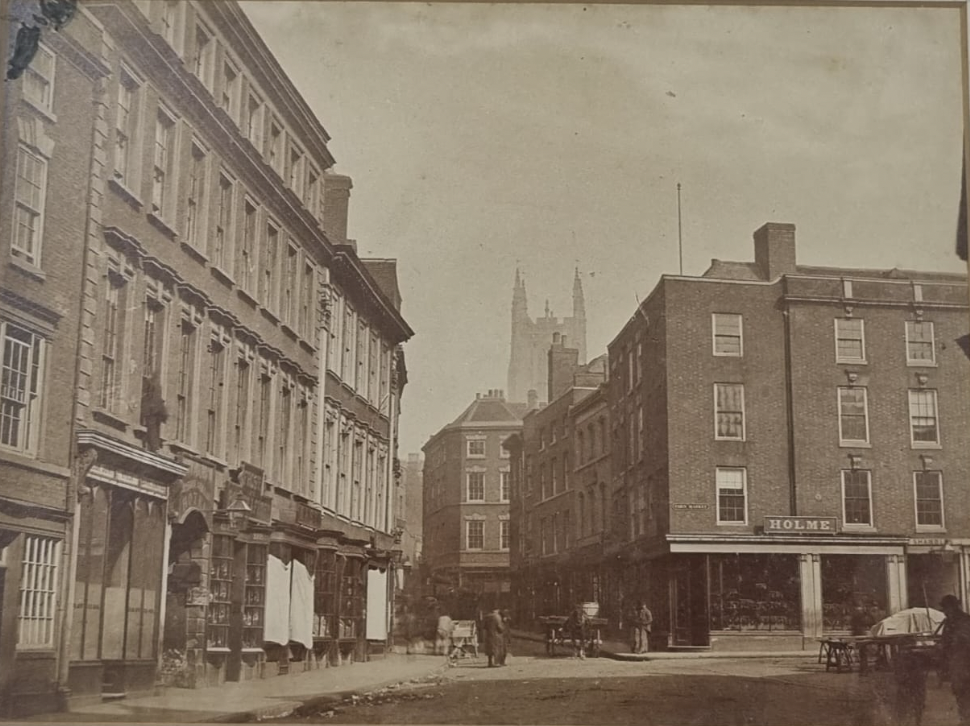
The theme of ‘Regulation and Respectability’ will be introduced through an analysis of the food poisoning outbreak at Mr Cope’s butchers in 1902. There will then be further analysis of the implications of legislation regarding food hygiene, public health and hazardous meat through slaughterhouses, meat adulteration, and canning. The exhibition will finish by exploring the topic of food preservation in more detail, followed by whether the presentation of food in Mr Cope’s butchers was up to safety standards or not.
Produced by Sabrina Lewis, Alicia Stocks, Aliyah Nadim, Gemma Smith & Nahalia Spencer.
 Derby's Dark Corners