Drink and disorder encapsulated the social arena of Derby throughout the nineteenth and early twentieth-century. It is throughout this period where a series of legislations and reforms aimed to alter the social behaviours of slum dwellers and resolve the ‘drink question’. Drinking habits themselves changed during this period, with some drinks becoming more affordable for all members of society.
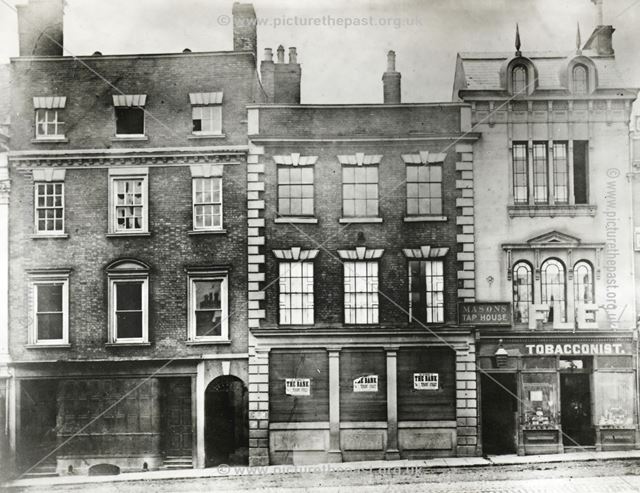
Alcohol became a mass-produced consumer commodity, readily available in expanding industrial cities like Derby. There was almost no escaping the culture of drinking within industrialising cities and it became one of the only public spaces outside of the workplace. Societal hierarchies, gender assumptions, and public beliefs determined alcohol consumptions in the nineteenth-century.
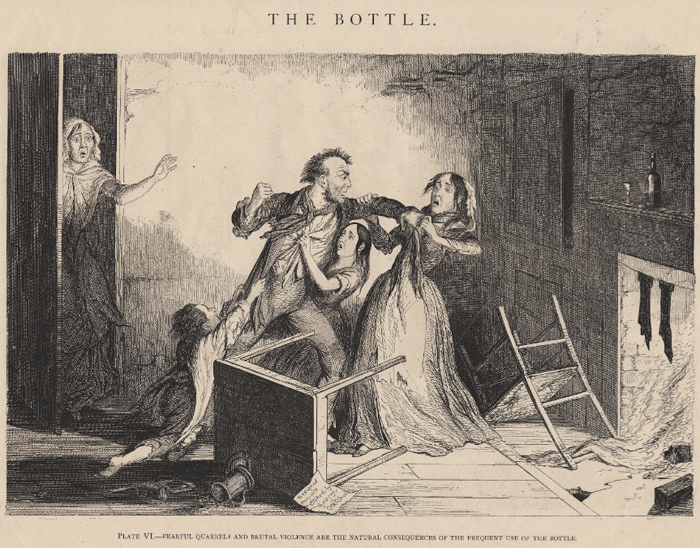
The nature of drinking vastly changed over a short 100 year period as drinking became synonymous with identity. The production, distribution, and consumption of alcohol became a national interest. The national government became more involved through the use of taxation, licencing, and other regulating methods.
Drunkenness and crime worked hand-in-hand creating a society that centred around prostitution, criminality, and street brawls. The slums of Derby were tourist sites that were reported in local newspapers alongside the beauties of Derbyshire. In an era of professional policing, the issue around crime and disorder was of concern to the middle and upper classes, where a sense of ‘us’ and ‘them’ became a prevailent feature.
The non-drinking movements of the nineteenth century introduced various methods when tackling the issue of public drinking. Whilst their practices differed in terms of techniques deployed, the different Temperance movements across Britain all shared the same ideal outcome. The temperance movements deployed altruistic efforts to remove alcohol from the social sphere but ultimately it was their desire to remove a social hinderance such as alcohol in order to create a purer society.
The public houses and drinking were a masculine republic. Still, increased self-awareness of women in the late nineteenth-century led to rebellion against the Victorian image of a male homosocial drinking space. However, the appearance of a drunk woman was stigmatised and provoked moral rebuke and questions.
Many questions about drink and disorder in Derby remain unanswered, and this exhibition is going to examine and answer these.
 Derby's Dark Corners